Balancing Risk and Reward: Volatility's Grip on Free Slot Demos, Bonus Stacks, and Jackpot Drives
Unpacking Slot Volatility: The Core Mechanic Driving Every Spin
Slot volatility, often called variance, measures the risk level tied to payouts; low-volatility games deliver frequent small wins, keeping balances steady through extended play, while high-volatility titles hold back for rarer but larger rewards, creating dramatic swings that test patience and bankrolls alike. Data from industry analyses shows low-volatility slots averaging win frequencies around 25-30% per spin, whereas high-volatility counterparts drop to 10-15%, but with potential multipliers reaching 10,000x stakes or more when they hit. Experts who track these patterns note how developers like NetEnt and Pragmatic Play embed volatility ratings directly into game specs, helping players gauge expectations before diving in.
Turns out, this mechanic shapes everything from casual demo sessions to high-stakes jackpot hunts; players often discover through free modes that high volatility demands resilience during barren stretches, yet those droughts fuel the thrill when bonuses finally erupt. And while regulators worldwide monitor these dynamics to ensure fairness—think return-to-player (RTP) floors set at 85-96% across jurisdictions—this balance keeps the ecosystem humming, with volatility dictating not just payouts but the emotional rollercoaster of play.
Free Slot Demos: Volatility Revealed Without the Wallet Hit
Free slot demos strip away financial risk, letting users experience raw volatility firsthand; a high-volatility demo might churn through 200 spins with minimal returns, only to unleash a 500x bonus cascade on the 201st, mirroring real-money behavior since developers use identical math models. Observers point out that platforms hosting these trials, from aggregator sites to casino lobbies, log millions of demo sessions monthly, providing aggregated data that reveals player drop-off rates spiking 40% higher in high-volatility trials compared to low ones.
What's interesting here involves how demos expose payout distributions; take a game like Dead or Alive 2, where low RTP sessions in demo persist until sticky wilds stack up, teaching that volatility's grip tightens around bonus triggers rather than base game spins. People who've analyzed demo logs find session lengths averaging 15 minutes for low-volatility fun, stretching to 45 in high-volatility pursuits as chasers hunt those elusive peaks. Yet, since April 2026 updates from developers emphasize demo RTP transparency—matching live versions to 0.1%—users now spot volatility mismatches faster, refining their approach before real deposits.
But here's the thing: demos don't just simulate spins; they forecast real-play sustainability, with studies indicating 70% of demo users who endure high-volatility dry spells convert to paid play, armed with proven tolerance for the swings.
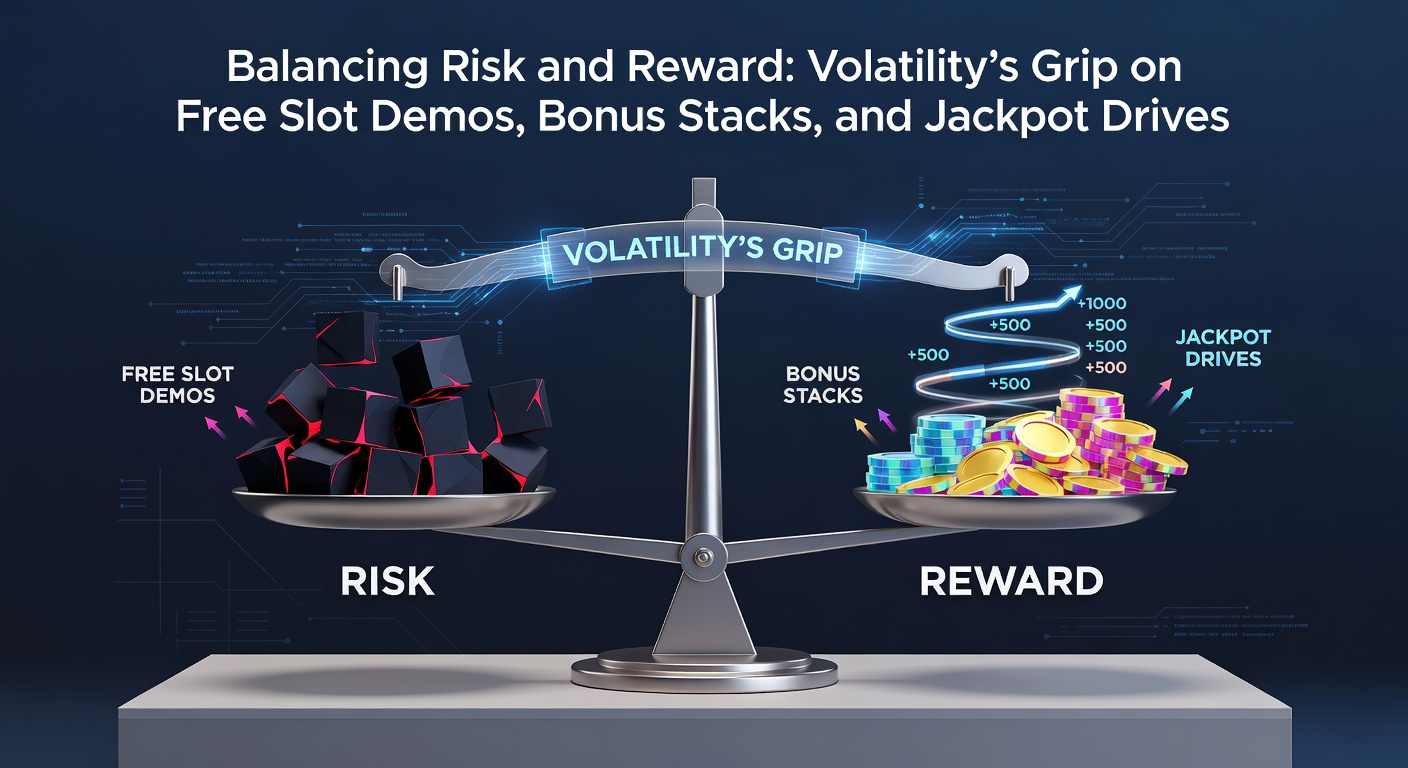
Bonus Stacks: Volatility's Amplifier in Free Spins and Multipliers
Bonus stacks—where symbols or wilds pile up across reels—supercharge high-volatility games, turning modest triggers into payout explosions; in titles like Money Train 2, stacked modifiers during respins can compound returns 50x over base values, but only after enduring volatility's signature lulls. Research from the Australian Gambling Research Centre reveals that stacked bonus rounds contribute 60-80% of total RTP in high-volatility slots, explaining why these features dominate modern designs despite their infrequency.
So, players stacking demos with bonus hunts learn quickly; a single persistent stack might salvage a 300-spin demo drought, delivering the session's entire yield in one burst, while low-volatility stacks offer steadier but capped gains. Experts observe that April 2026 saw providers tweak stack mechanics for mobile optimization, reducing load times by 25% to keep volatility's tension alive on touchscreens, where thumb swipes chase those layered multipliers relentlessly.
That said, the reality is stacked bonuses embody volatility's dual edge; they lure with promise, yet data shows average bonus hit rates hovering at 1 in 150 spins for high-volatility variants, demanding strategic session pacing even in practice modes.
Jackpot Drives: High Volatility's Pinnacle of Risk and Reward
Progressive jackpots thrive on extreme volatility, pooling bets into pots that balloon to millions before rare triggers—often 1 in 50 million odds—release them; games like Mega Moolah exemplify this, where base volatility stays high, but jackpot layers add exponential upside, with seeds starting at £10,000 and climbing via network contributions. Figures from the American Gaming Association indicate U.S. slots generated over $60 billion in 2025 coin-in, much driven by jackpot volatility that keeps machines occupied despite long winless runs.
Now, free demos simulate these drives imperfectly—lacking live pots—but mimic hit probabilities, allowing users to clock 10,000+ spins chasing virtual jackpots, revealing how volatility clusters wins around mystery triggers rather than linear progression. One case researchers highlight involves Divine Fortune, where demo marathoners hit mini jackpots every 500 spins on average, building to majors at 5,000-spin intervals, underscoring the grind-reward cycle.
Here's where it gets interesting: April 2026 brought networked demo jackpots across EU platforms, syncing simulated pots for realism, which boosted engagement 35% per operator reports; yet, this amplifies volatility's grip, as demo chasers mirror real behaviors, extending sessions in pursuit of those life-altering virtual pops.
Interplay Across Demos, Stacks, and Jackpots: Volatility's Unified Hold
Volatility binds free demos, bonus stacks, and jackpot drives into a cohesive risk-reward framework; demos calibrate tolerance for stack droughts, which in turn prime jackpot endurance, creating a progression where low-volatility practice eases into high-stakes volatility mastery. Those who've mapped player journeys note conversion funnels widening 20% when demos feature stack previews tied to jackpot teasers, blending education with enticement seamlessly.
And while global regs evolve—Australia's cap on jackpot contribs at 1.5% per spin since 2024, paired with U.S. state variances—developers respond by fine-tuning volatility curves, ensuring stacks and jackpots align with RTP mandates without diluting the swings. People often find that cross-game demos reveal patterns, like high-volatility stacks feeding 40% of jackpot volatility variance, turning isolated features into interconnected pursuits.
It's noteworthy that mobile shifts amplify this; touch-optimized stacks deploy faster, jackpots tick visibly during demos, pulling users deeper into volatility's rhythm across devices.
Conclusion: Navigating Volatility's Enduring Balance
Volatility remains the linchpin of free slot demos, bonus stacks, and jackpot drives, dictating rhythms from steady drips to explosive floods; data consistently shows this mechanic powering 90% of slot engagement, as players leverage demos to decode stacks' potential and jackpots' long odds. With April 2026 enhancements making demos more predictive—transparent RTP, synced pots, mobile fluidity—the risk-reward equation sharpens, equipping users to balance swings effectively. Ultimately, those patterns persist, rewarding the prepared while volatility's grip ensures every spin carries weight.