Connecting Evaluation Insights, Demo Experiences, Payment Pathways, and Progressive Prize Mechanisms in Digital Reel Platforms
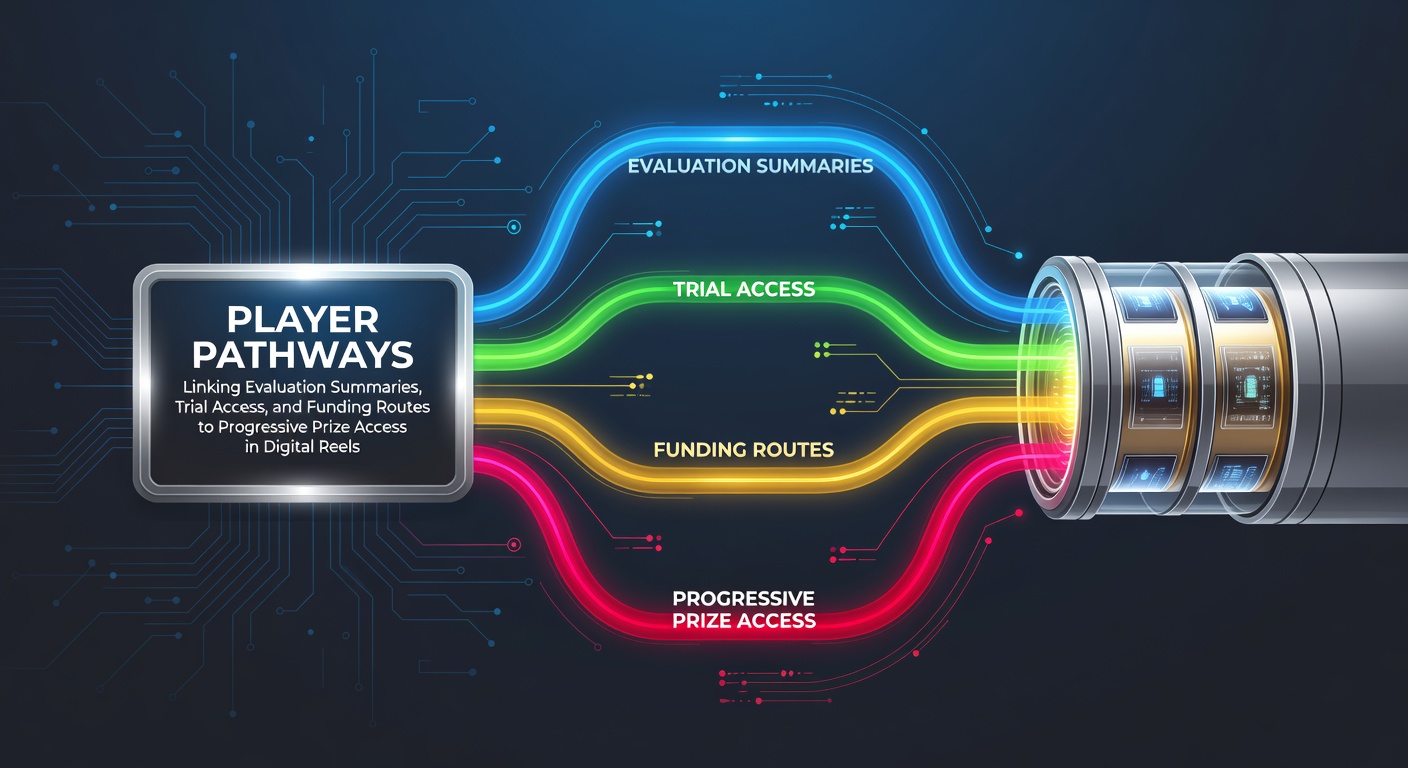
Player pathways in digital reel platforms link evaluation summaries directly to trial access options, funding routes, and eventual entry into progressive prize systems, creating structured sequences that operators and regulators track through data collection protocols established by mid-2026.
Evaluation summaries compile performance metrics from user sessions, including spin frequency, bet sizing patterns, and session duration, which feed into personalized recommendations for demo modes or paid entry points. These summaries draw from aggregated platform analytics that became standardized across major European and North American operators following updates in reporting frameworks rolled out during early 2026.
Evaluation Summaries as Entry Points
Operators generate evaluation summaries through automated systems that process gameplay logs and present them as dashboards for users or internal teams. Data indicates these summaries highlight strengths in certain game mechanics while flagging areas where trial access might improve user familiarity before committing funds. Research from the Australian Gambling Research Centre shows that platforms using such summaries see higher retention rates when they connect directly to demo interfaces rather than requiring immediate deposits.
Those summaries often categorize players based on risk profiles derived from historical activity, allowing systems to suggest appropriate trial lengths or specific reel titles that match observed preferences. This process operates continuously, updating in real time as new session data arrives.
Trial Access and Its Role in Pathway Development
Trial access functions as the bridge between evaluation outputs and actual funding decisions, providing limited free spins or time-bound demo reels that mirror live progressive prize structures without monetary risk. In May 2026, several platforms expanded these trials to include scaled-down versions of jackpot pools, giving users clearer previews of prize progression mechanics.
Observers note that effective trial systems integrate feedback loops where session results update the original evaluation summary, refining future recommendations. This creates a closed circuit where demo performance influences which funding routes appear most prominently in user interfaces.
Funding Routes Tied to Progressive Access
Funding routes encompass card payments, e-wallets, and bank transfers that platforms route through compliance layers before unlocking progressive prize eligibility. Figures from the European Gaming and Betting Association reveal that streamlined deposit sequences, when paired with prior trial completion, increase the likelihood of players reaching higher prize tiers within the same session window.
Systems often require verification steps after the first deposit, yet they maintain continuity by preserving trial-derived preferences across payment methods. This linkage ensures that progressive prize access activates consistently once minimum funding thresholds are met, regardless of the chosen channel.
Integration Across Platform Ecosystems
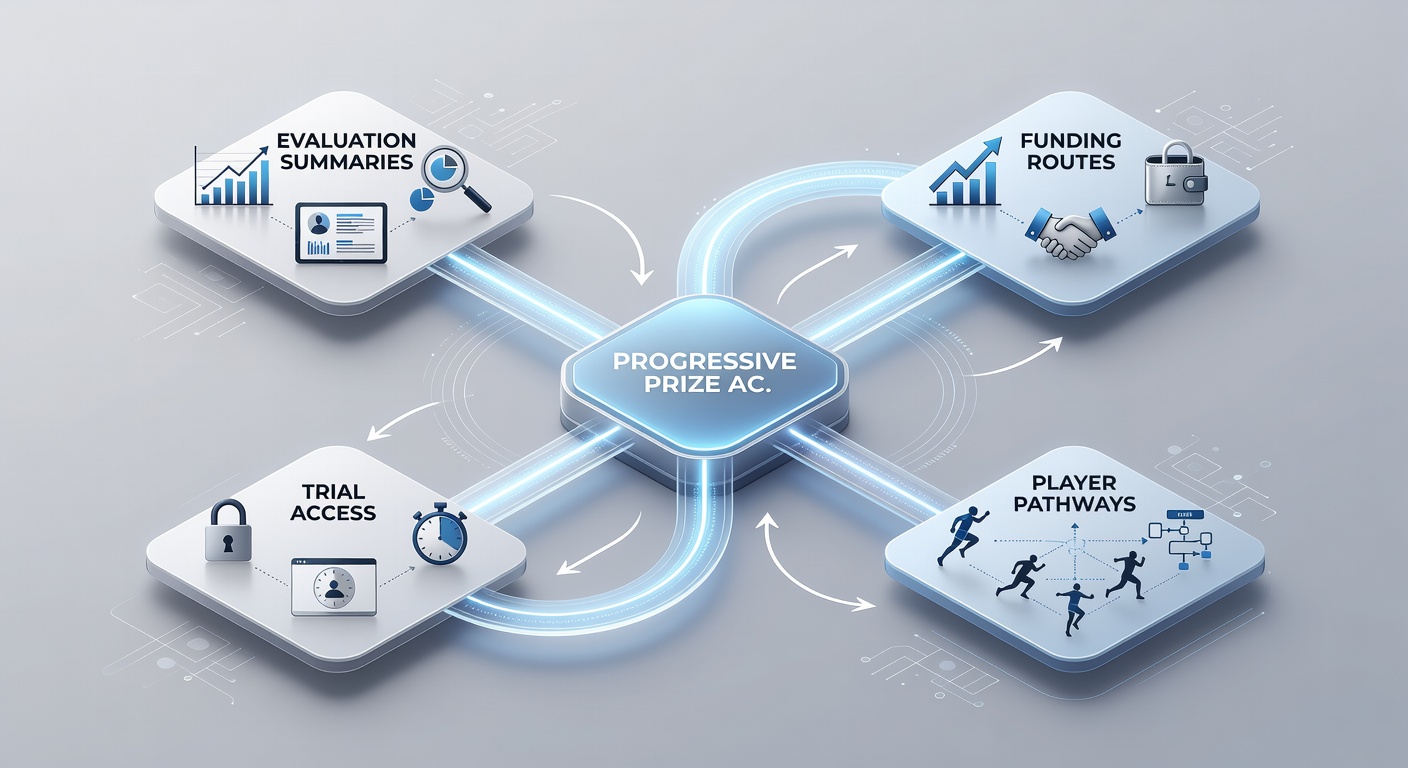
Platform architectures in 2026 increasingly embed these pathways into single user journeys where evaluation summaries trigger trial prompts, which in turn surface optimized funding options leading straight to progressive reels. Academic studies from the University of Nevada Reno’s International Gaming Institute have documented how such integrated flows reduce drop-off rates between demo completion and first deposit by aligning incentives at each stage.
Payment processors collaborate with game providers to embed prize eligibility flags directly into transaction confirmations, ensuring immediate access once funds clear. This technical linkage operates across mobile and desktop environments, maintaining parity in how progressive meters advance regardless of device.
Regulatory and Technical Standards Supporting Pathways
Standards bodies including the Gaming Standards Association have issued guidelines that encourage transparent mapping of evaluation data to funding and prize access, promoting consistency across jurisdictions. These standards gained wider adoption by spring 2026, particularly among operators serving multiple regions where cross-border player data must remain synchronized.
Compliance layers within funding routes automatically reference trial history to determine eligibility tiers for progressive systems, adding an additional verification step that protects both operators and participants without disrupting flow.
Conclusion
Player pathways that connect evaluation summaries, trial access, funding routes, and progressive prize mechanisms continue to evolve through technical integration and updated standards. Data collected through these systems provides operators with clearer visibility into how users progress from initial assessment to prize participation, while maintaining compliance across diverse regulatory environments.