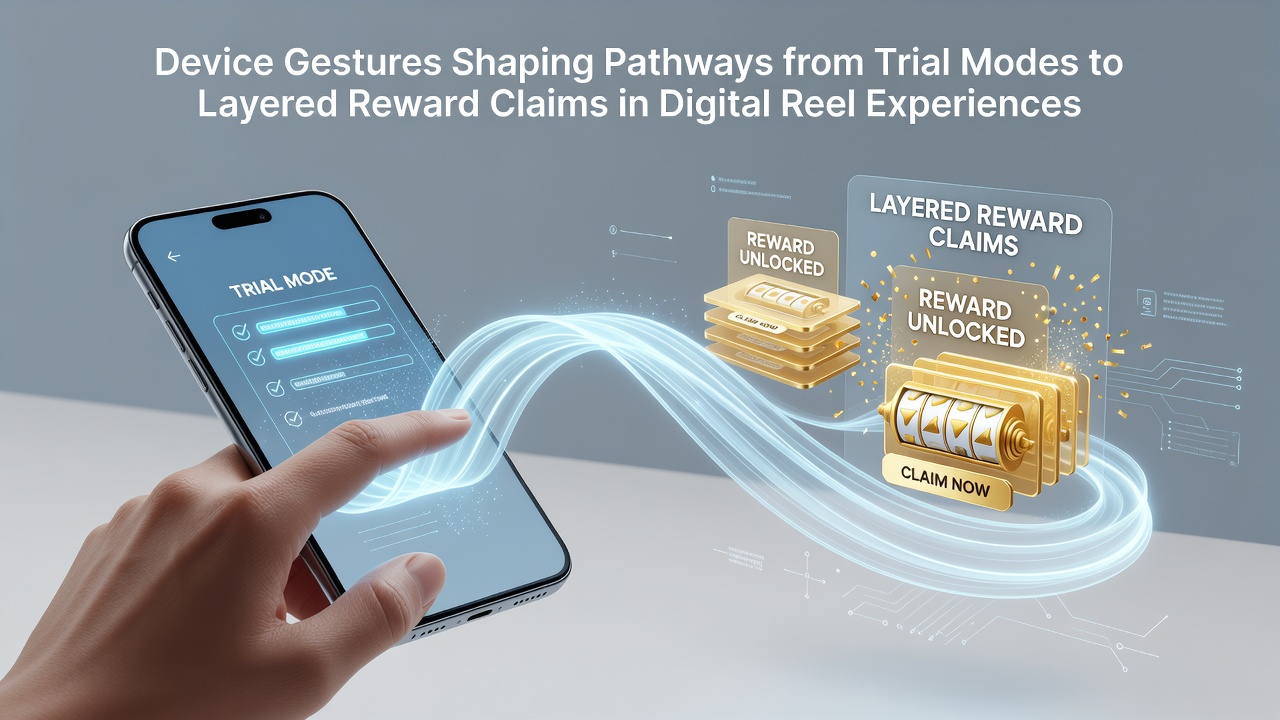
Gestural Interfaces Transforming Demo Reel Sessions into Layered Reward Pathways for Mobile Slot Players
Device gestures have become central to how players move through trial modes and into systems that deliver layered rewards in digital reel games, and studies from gaming research centers show these interactions shape engagement patterns across mobile platforms. Observers note that swipes, taps, and pinches allow users to test mechanics without immediate financial commitment while building familiarity that carries into paid sessions where bonuses stack through progressive tiers.
Core Gestures in Trial Environments
Players often begin with free reel sessions where a simple tap initiates spins and a horizontal swipe adjusts bet levels, and data from interface analytics indicate these motions reduce the learning curve for complex features such as cascading symbols or multiplier ladders. Research conducted at institutions including the University of Nevada Reno highlights how pinch-to-zoom gestures let users inspect paytable details during demos, which in turn prepares them for real-money environments where similar actions unlock layered claim sequences tied to accumulated points or loyalty tiers.
What's interesting is the way developers integrate haptic feedback with these gestures so that each successful demo spin produces a subtle vibration pattern that mirrors payout cues found later in reward structures. Those who've examined user logs across multiple operators report that individuals who master swipe-based reel stops in trials show higher retention rates once they progress to deposit-funded play with stacked bonus opportunities.
Pathways from Practice to Progressive Claims
Transition mechanics rely on gesture sequences that feel consistent between modes, and analysts point out that a double-tap action commonly used to accelerate demo spins carries over directly into claiming daily login rewards or bonus round entries. Figures from European gaming trade groups reveal that platforms employing unified gesture sets see smoother shifts from trial reels to systems where rewards layer through sequential challenges, such as completing a set number of spins to access higher jackpot pools.

June 2026 brought updates to several major platforms that refined gesture recognition algorithms, allowing for more precise detection of long-press actions that now trigger layered reward previews before any deposit occurs. According to reports issued by the Nevada Gaming Control Board, these refinements contributed to measurable increases in player progression from free modes to full reward ecosystems without altering regulatory compliance frameworks.
Layered Reward Structures and Gesture Triggers
Reward layers typically include base bonuses, mid-tier multipliers, and top-level jackpot entries, and gesture design determines how quickly players can navigate each stage. A vertical swipe might advance a progress bar during bonus collection phases, while a circular motion collects scattered symbols that feed into cumulative claims. Industry reports from the Australian Communications and Media Authority document that operators incorporating such gesture layers report elevated completion rates for multi-stage promotions compared with traditional button-only interfaces.
Take one developer team that introduced tilt-based gestures for reel nudges in both demo and real modes; their internal metrics showed participants reached layered reward thresholds faster because the motion felt intuitive across device orientations. Observers tracking these patterns note that consistency in gesture mapping helps players maintain momentum when moving from practice reels to environments where each completed layer adds to a visible reward stack.
Technical Considerations Across Devices
Cross-device compatibility remains a focus because gesture sensitivity varies between tablets and phones, and testing data indicates that calibration tools built into applications help standardize responses. When players switch devices mid-session, saved gesture preferences carry forward so that trial progress and any unlocked reward layers remain accessible without relearning controls. Research papers published through gaming technology conferences emphasize that adaptive gesture systems reduce friction during these transitions and support broader participation in progressive reward programs.
But here's the thing: security protocols around gesture inputs have also evolved, with biometric verification sometimes triggered by specific hold patterns before layered claims finalize. This integration keeps processes secure while preserving the fluid feel that defines modern reel experiences.
Conclusion
Device gestures continue to define efficient routes from trial modes into systems offering layered reward claims, and ongoing refinements ensure these pathways remain accessible across evolving hardware. Data collected by regulatory and academic sources shows consistent benefits in player progression when gesture designs stay unified between free and paid environments. As platforms update their interfaces, the emphasis stays on motions that feel natural yet deliver structured access to accumulating benefits in digital reel formats.