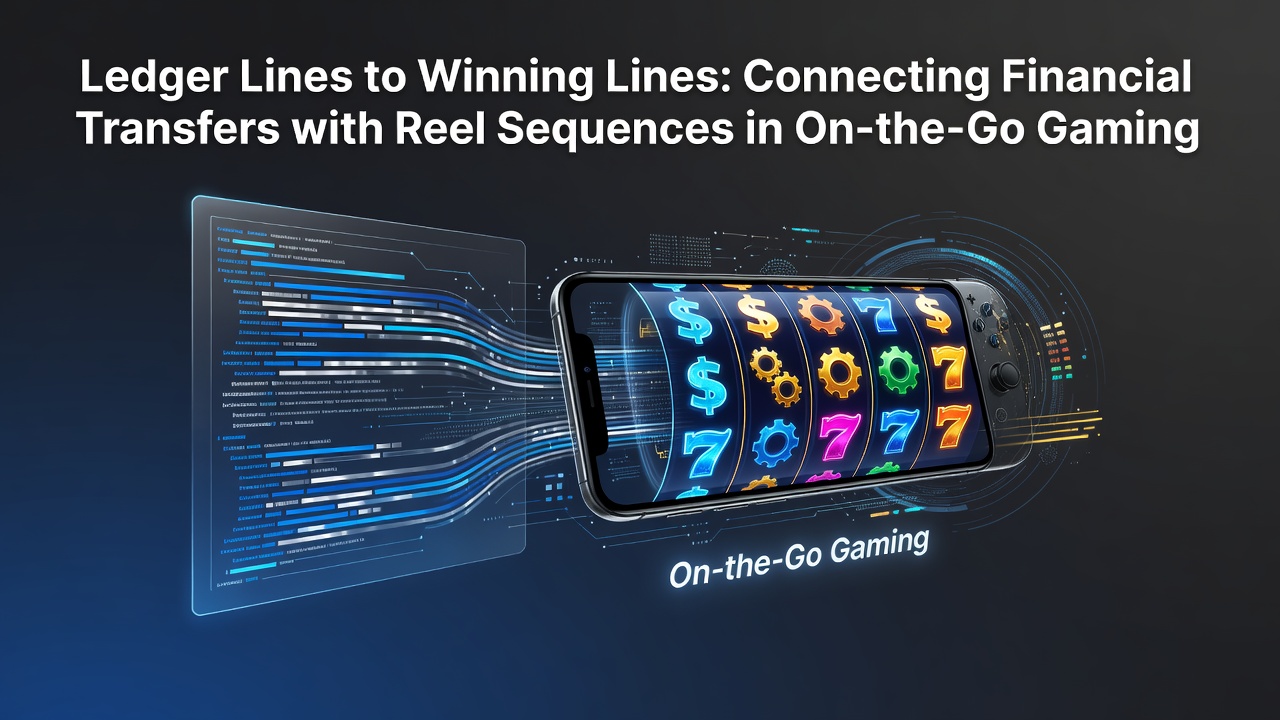
Ledger Lines to Winning Lines: Connecting Financial Transfers with Reel Sequences in On-the-Go Gaming
Financial transfers in mobile gaming platforms link directly to reel sequence generation through secure server protocols that process deposits before triggering random number generator outputs, and this integration has grown more sophisticated as device capabilities expand. Observers note that transaction ledgers record every deposit amount, timestamp, and player identifier while simultaneously feeding authentication tokens into game engines that determine reel stops and symbol alignments.
Technical Pathways from Payment Gateways to Reel Mechanics
Payment gateways transmit encrypted data packets to centralized gaming servers where algorithms verify funds before releasing reel spin commands, and researchers have documented how these handshakes occur within milliseconds to maintain seamless play sessions. Developers implement application programming interfaces that map ledger entries to specific game states so that each completed transfer unlocks the next sequence of reel calculations without exposing sensitive financial details to end users.
Systems often employ tokenization methods that replace actual account numbers with unique identifiers, and these tokens travel alongside reel seed values to ensure that financial actions remain synchronized with gameplay outcomes. Data centers handling high volumes of concurrent sessions use load balancers that prioritize transaction verification queues ahead of reel rendering tasks, which prevents delays that could disrupt the flow from deposit confirmation to the first spin.
Regional Regulatory Approaches Shaping Integration Standards
Authorities in various jurisdictions establish technical requirements that dictate how financial records interface with game fairness mechanisms, and the American Gaming Association has published guidelines emphasizing audit trails that connect every ledger entry to verified random outcomes. In the European context the European Gaming and Betting Association promotes standardized protocols for cross-border transfers that align with reel sequence logging, ensuring consistent compliance across member platforms.
Australian regulators through bodies such as the Australian Communications and Media Authority require real-time reporting that captures both monetary movements and corresponding game events, which forces operators to maintain unified databases where ledger lines feed directly into sequence verification modules. These frameworks reduce discrepancies between financial activity and reel results by mandating cryptographic hashing of combined data sets.
Security Protocols Linking Transfers and Sequences
Encryption layers wrap both transaction details and reel seed generation so that interception attempts fail to alter either financial records or game results, while multi-factor authentication steps occur before any reel sequence activates following a deposit. Industry reports indicate that platforms adopting hardware security modules achieve lower incident rates when connecting payment processing to mobile game engines.

Updates scheduled for June 2026 include enhanced requirements from multiple North American state regulators that will demand additional timestamp synchronization between ledger confirmations and reel initiations, and these changes build on existing standards already in use across several markets. Operators prepare by upgrading middleware layers that translate payment confirmations into game-ready tokens without introducing latency.
Data Flow Examples Across Platforms
One documented process begins when a player initiates a deposit through a digital wallet, after which the ledger system generates a transaction identifier that travels to the game server where it pairs with a fresh random seed for the upcoming reel sequence. Observers tracking mobile sessions report that this pairing happens automatically and remains invisible to users who simply see funds appear and reels become active.
Another pathway involves prepaid card transactions that trigger batch processing during off-peak hours, and these batches feed aggregated ledger entries into analytics engines that later correlate volume patterns with average reel sequence lengths across thousands of spins. Such correlations help operators refine server allocation without altering individual game fairness.
Conclusion
Connections between ledger lines and winning lines continue to evolve through combined advances in payment technology, server architecture, and regulatory coordination across regions. Platforms that maintain precise synchronization between financial transfers and reel sequences deliver consistent session continuity while meeting compliance benchmarks set by diverse authorities. Continued refinement in these areas supports broader growth in on-the-go gaming environments where rapid, secure transfers underpin every reel outcome.